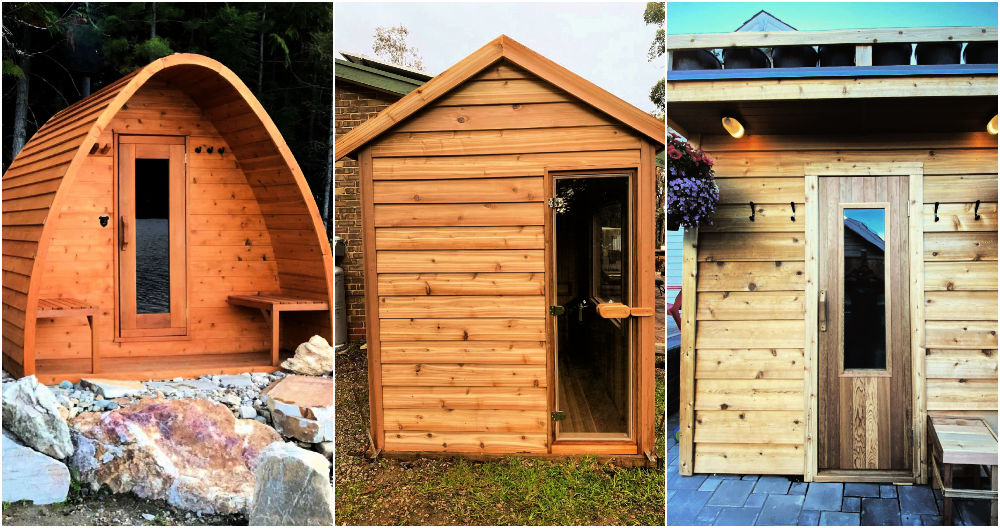
Imagine stepping into your own private sanctuary, a haven of warmth and tranquility designed perfectly for unwinding after a long day. A personal sauna offers an unparalleled way to melt away stress, ease muscle tension, and rejuvenate both body and mind. While the idea of owning a sauna might conjure images of luxury and high costs, the truth is that building a Diy Sauna is not only achievable but also a highly rewarding project for any handy homeowner. You don't need a massive budget or specialized skills; with the right guidance and a commitment to smart planning, you can construct a fantastic custom sauna that rivals expensive pre-built models.
This comprehensive guide will walk you through the essential steps and considerations for building your own relaxing retreat. From initial planning and budgeting to selecting the best materials and key components, we'll help you navigate the process of creating a personal oasis right in your home or backyard.
Planning Your Diy Sauna Project: Laying the Foundation for Success
The success of any DIY project hinges on thorough planning, and building a Diy Sauna is no exception. Before you pick up a single tool, take the time to outline your vision, assess your resources, and establish a clear roadmap. This initial phase is crucial for staying on budget and achieving the sauna you dream of.
Setting Your Budget and Understanding Costs
One of the first questions many ask is, "How much does a DIY sauna cost?" The truth is, the price can vary significantly, ranging anywhere from $1,000 to $12,000 or more, depending on your choices. Factors like size, material quality, and the type of heater all play a role. However, it's entirely possible to build a high-quality sauna on a tighter budget by making informed decisions. Always set a "budget ceiling" early on and meticulously track every expenditure. Prioritize spending on critical components like the heater, insulation, and wood, as these directly impact performance and longevity. For more detailed insights on managing costs, be sure to check out our guide on DIY Sauna on a Budget: Build Your Dream Spa for Less.
Choosing the Right Size and Location
Your sauna's dimensions will dictate its capacity and ultimately influence material costs. Consider how many people will typically use it:
- Compact (e.g., 4'x6'): Ideal for 1-2 people, perfect for solo relaxation or an intimate experience.
- Medium (e.g., 6'x8'): Comfortably seats 3-4 people, suitable for small families or entertaining.
Next, determine the best location. Each option has its advantages:
- Indoor Saunas: Generally less expensive to build as they require less weatherproofing. Basements, garages, or spare rooms are excellent candidates. They offer convenience and year-round accessibility.
- Outdoor Saunas: Provide ultimate privacy and can offer a more traditional, rustic feel. They integrate beautifully with garden spaces or poolside areas but require robust weatherproofing for durability.
Power Access and Electrical Considerations
Most modern electric sauna heaters require a 240V dedicated electrical line for optimal performance. This is a critical safety and functional aspect. It is highly recommended to consult a certified electrician early in your planning process to ensure proper wiring, breaker sizing, and compliance with local codes. Attempting to DIY electrical work without expertise can be dangerous.
Once these foundational decisions are made, you can start sketching your frame, compiling a detailed material list, and envisioning your personal retreat.
Essential Materials for Your Diy Sauna: Smart Choices for Quality & Cost
The performance and longevity of your Diy Sauna largely depend on the quality and suitability of the materials you choose. Opting for the right components, especially for insulation and wood, ensures an efficient, safe, and enjoyable experience.
Framing and Insulation: The Core of Heat Retention
The structural integrity and thermal efficiency of your sauna begin with robust framing and superior insulation:
- Framing: Standard 2x4 studs are perfectly adequate for walls and ceilings, providing a solid framework for your sauna cabin.
- Insulation: This is paramount for retaining heat and minimizing energy consumption. While fiberglass is common, for a sauna, Rockwool (mineral fiber) is a far superior choice. Unlike fiberglass, Rockwool can handle moisture and water much better, significantly reducing the risk of mold growth in a hot, humid environment.
- Foil Vapor Barrier: Once the insulation is in place, install a foil vapor barrier over it, with the shiny side facing inwards. This barrier serves two critical functions: it reflects radiant heat back into the sauna, enhancing efficiency, and it protects your wooden interior from moisture penetration. Always use heat-resistant aluminum tape to seal all seams in the vapor barrier. Never use plastic vapor barriers, as they can melt or degrade under the high temperatures of a sauna.
Budget-Friendly and Performance-Driven Sauna Wood
The wood you select for your sauna's interior walls, ceiling, benches, and trim needs to meet specific criteria: it must be heat-resistant, splinter-free, and most importantly, it should not off-gas harmful chemicals or strong odors when heated. Two excellent options stand out for DIY builders seeking quality without breaking the bank:
- Alder Sauna Wood: A popular and affordable choice, Alder is renowned for its smooth, knot-free finish. It offers a clean, traditional aesthetic with a mild, pleasant aroma that won't overpower your sauna experience. Its fine grain makes it comfortable to touch even at high temperatures.
- Thermo-Spruce Sauna Wood: Treated with heat rather than chemicals, Thermo-Spruce is an ideal material for saunas, particularly those located outdoors or in moisture-prone areas. The thermal modification process enhances its stability and resistance to decay. It presents a stylish, darker tone that adds a modern touch to your sauna's interior.
For a cohesive and professional look, use the same type of wood for all interior surfaces – walls, ceiling, benches, and trim.
Key Components: Heater, Door, and Ventilation
With the structure and insulation in place, it's time to consider the critical components that make a sauna functional and enjoyable. These elements directly impact your sauna's performance, safety, and comfort.
The Best Affordable Sauna Heater: The Heart of Your Retreat
Your sauna's ability to provide consistent, comfortable heat is entirely dependent on its heater. For most budget-conscious DIY enthusiasts, we highly recommend the Harvia KIP Electric Sauna Heater Package. This heater is a global bestseller for many compelling reasons:
- Integrated Controls: It features built-in controls, eliminating the need for an expensive external controller, which is a significant cost-saving benefit.
- Includes Sauna Stones: The package typically comes with a sufficient supply of sauna stones, ready for immediate use.
- Easy Installation & Compact Design: Its user-friendly design makes installation straightforward for DIY builders.
- Reliable Performance: Backed by decades of Finnish engineering, the Harvia KIP is powerful and dependable, consistently delivering temperatures up to 194°F (90°C).
Choosing a reputable heater like the Harvia KIP ensures you're investing in a product that is efficient, durable, and designed specifically for the rigorous demands of a sauna environment.
Sauna Doors, Vents, and Lighting: Functionality Meets Comfort
- Sauna Door: A simple yet robust door is essential. Look for a door specifically designed for saunas, capable of withstanding high heat and humidity without warping. ProSaunas tempered glass sauna doors are an excellent budget-friendly option. Their tempered glass construction is perfect for steam environments, and they excel at maintaining internal heat while offering a modern aesthetic.
- Ventilation: Proper ventilation is vital for both comfort and air quality. A typical sauna setup involves two vents: a low intake vent (often near the heater) and a high exhaust vent (usually on the opposite wall). This creates a convection current, drawing fresh air in and expelling stale air, ensuring a comfortable oxygen level and even heat distribution.
- Lighting: Keep lighting simple and heat-resistant. Vapor-proof fixtures are ideal for safety and longevity. Warm, diffused lighting can enhance the relaxing ambiance without being too bright or harsh.
Bringing Your Diy Sauna to Life: Framing, Insulation, and Finishing Touches
With your plans solidified and materials chosen, the construction phase of your Diy Sauna can begin. While specific steps will vary based on your design, the general sequence involves:
- Framing: Construct the wall and ceiling frames using your 2x4 studs, ensuring everything is plumb and square.
- Rough-in Electrical: Have your electrician run the dedicated 240V line and any necessary wiring for lights and vents.
- Insulation and Vapor Barrier: Install the Rockwool insulation snugly within the stud cavities, then carefully apply the foil vapor barrier, sealing all seams with aluminum tape.
- Interior Paneling: Begin installing your chosen sauna wood for the interior walls and ceiling. Work your way up, ensuring tight fits and proper fastening.
- Benches: Construct sturdy, comfortable benches. Two-tier benches are popular, allowing for different heat levels.
- Heater Installation: Mount the sauna heater according to the manufacturer's instructions, ensuring proper clearances from combustible materials.
- Door, Vents, and Lighting: Install your sauna door, ensuring it opens outwards for safety. Integrate your intake and exhaust vents, and mount your heat-resistant light fixtures.
- Trim and Finishing: Add any necessary trim for a polished look, and give the interior a final wipe-down.
Always prioritize safety throughout the build. Double-check all electrical connections (or have your electrician do so), ensure structural integrity, and adhere strictly to manufacturer guidelines for your heater. Once complete, your custom-built Diy Sauna will not only be a source of immense pride but also a haven for countless hours of relaxation and well-being.
Conclusion
Building your own Diy Sauna is a journey that transforms a dream into a tangible reality. It's a project that combines the satisfaction of craftsmanship with the promise of unparalleled relaxation. By taking the time to plan meticulously, choosing cost-effective yet high-quality materials, and focusing on essential components, you can create a personal retreat that perfectly suits your needs and budget. The initial investment of time and effort will be repaid many times over in stress relief, improved well-being, and the sheer joy of having a private sanctuary always at your disposal. So, embrace the challenge, follow these guidelines, and get ready to enjoy the blissful warmth of your very own custom-built sauna.