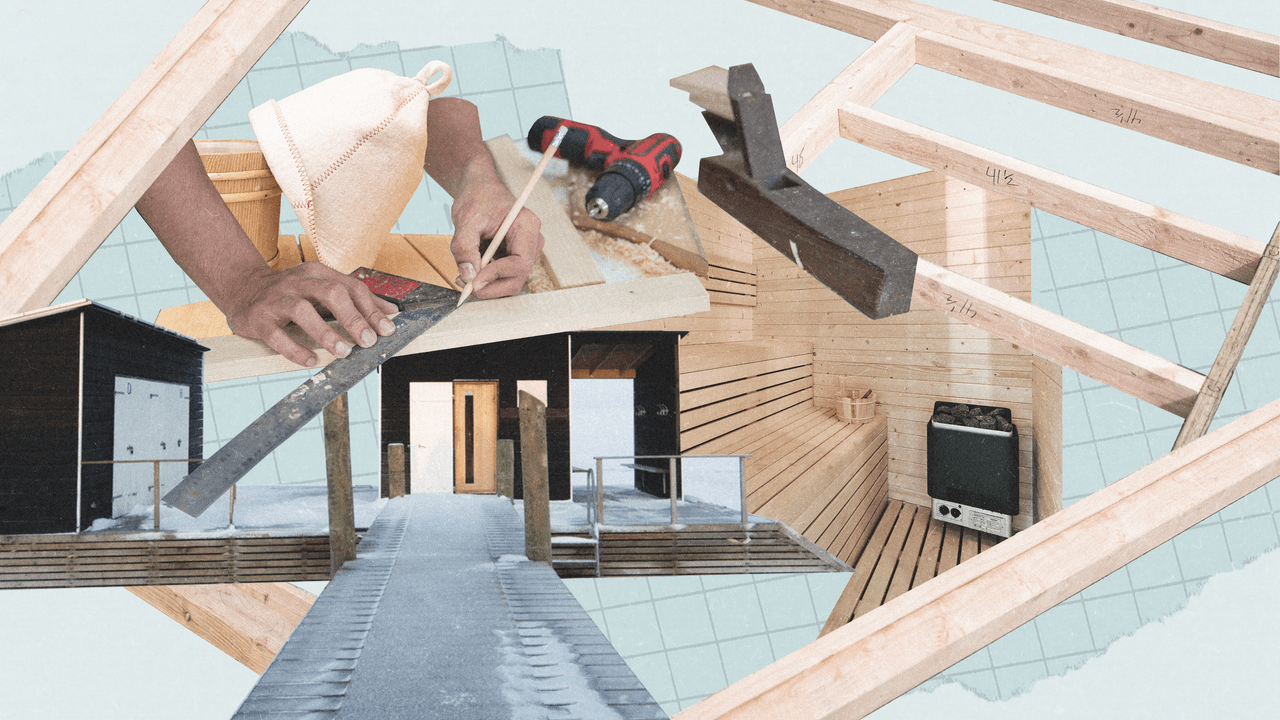
Imagine unwinding after a long, stressful day in the comforting embrace of your very own sauna. The warmth penetrates deep, melting away tension, easing tired muscles, and clearing your mind. For many, this dream seems out of reach, often associated with luxury spas or expensive home renovations. However, the secret to achieving this personal sanctuary without breaking the bank lies in a fulfilling DIY Sauna project.
Building your own home sauna is not only an incredibly rewarding endeavor, but it’s also surprisingly achievable on a budget. With the right planning, materials, and a bit of elbow grease, you can create a high-quality, personalized spa experience that rivals professional installations. Forget the hefty price tags of pre-built units; a thoughtful DIY approach allows you to control costs while customizing every detail to your preference. From selecting the perfect wood to installing an efficient heater, this guide will walk you through building your dream spa for less.
Why a DIY Sauna is Your Smartest Relaxation Investment
Having a dedicated space for relaxation, de-stressing, and mental rejuvenation is no longer a luxury but a necessity in our fast-paced world. A personal sauna offers unparalleled benefits, from improved circulation and muscle relaxation to enhanced detoxification and a tranquil escape from daily pressures. The idea of owning one has often been synonymous with significant financial outlay, but the rise of the DIY Sauna movement has changed that perception entirely.
Opting to build your own sauna is a smart investment for several reasons. Firstly, it offers substantial cost savings. While a professional build or high-end pre-fabricated unit can easily run into five figures, a budget-conscious DIY project can range from approximately $1,000 to $12,000 or more, depending on your choices in size and materials. This flexibility allows you to tailor the expense to your specific financial situation. Secondly, there’s immense satisfaction in creating something with your own hands. You gain complete control over the design, materials, and features, ensuring your sauna perfectly aligns with your vision of relaxation. It's a project that combines practicality with personal fulfillment, culminating in a haven you built yourself.
Planning Your Budget-Friendly DIY Sauna: The Blueprint for Success
The foundation of any successful DIY Sauna build, especially one on a budget, is meticulous planning. This initial phase dictates your costs, construction complexity, and the ultimate functionality of your sauna. Starting with a clear vision will help you avoid costly mistakes and keep your project on track.
Size and Location: Defining Your Spa's Footprint
- Size: Begin by considering how many people will typically use the sauna. A compact 4’x6’ footprint is ideal for 1-2 individuals, keeping material costs and heating requirements lower. For 3-4 users, a 6’x8’ sauna provides comfortable space but will naturally increase material usage and potentially necessitate a more powerful heater. Remember, larger saunas mean more wood, more insulation, and more time.
- Location: Your chosen location significantly impacts the budget and build process.
- Indoor Builds: Typically more budget-friendly as they leverage existing structures. Basements, garages, spare rooms, or even large closets are excellent candidates. They require less structural reinforcement and no extensive weatherproofing.
- Outdoor Builds: Offer privacy and a unique connection to nature. However, they demand robust weatherproofing, a sturdy foundation, and potentially more insulation, which adds to the overall cost.
- Power Access: Most electric sauna heaters require a dedicated 240V line for optimal performance and safety. It is crucial to consult a qualified electrician early in the planning phase. They can assess your electrical panel, advise on wiring requirements, and provide an estimate, preventing costly surprises down the line.
Once you’ve nailed down the size and location, sketch out your frame, list every material you anticipate needing, and establish a firm budget ceiling. Track every expense rigorously, and prioritize spending on the core components: the heater, the wood, and the insulation. These are not areas where you want to compromise quality, as they directly impact the sauna's performance and longevity.
Essential Components for Your Affordable Home Spa
Building a durable and efficient DIY Sauna involves selecting the right materials for framing, insulation, and interior finishes. Prioritizing performance where it counts ensures your budget build doesn't sacrifice quality or comfort.
Framing and Insulation: The Core of Heat Retention
Standard 2x4 studs are perfectly adequate for constructing the walls and ceiling frame of your sauna. The real magic, however, lies in effective heat retention. This is where your insulation and vapor barrier become paramount:
- Insulation: Forget standard fiberglass. For a sauna environment, Rockwool (mineral fiber) is the superior choice. It handles moisture and high temperatures far better than fiberglass, which can mold and degrade over time in humid conditions. Good insulation is key to reaching and maintaining high temperatures efficiently, saving you energy costs in the long run.
- Foil Vapor Barrier: This critical layer is installed over your insulation, with the shiny side facing inward towards the sauna's interior. Its dual purpose is to reflect heat back into the room and protect the wooden structure from moisture penetration, preventing rot and extending the life of your sauna. Always seal all seams and edges with heat-resistant aluminum tape. Avoid plastic vapor barriers, as they can melt or off-gas at sauna temperatures.
Budget-Friendly Sauna Wood: Beauty Meets Functionality
The wood you choose for your sauna interior is crucial for both aesthetics and comfort. It must be heat-resistant, splinter-free, and ideally, won't off-gas unpleasant odors when heated. Two excellent, budget-friendly options stand out for DIY Sauna builders:
- Alder Sauna Wood: This is a highly recommended choice for its affordability, smooth texture, and beautiful knot-free grain. Alder offers a traditional sauna look with a mild, pleasant aroma that won't overpower your senses. It's comfortable to sit on and creates a classic, inviting atmosphere.
- Thermo-Spruce Sauna Wood: Treated with heat rather than chemicals, Thermo-Spruce is an eco-friendly option ideal for moisture-prone environments, making it perfect for both indoor and outdoor saunas. It boasts a stylish, darker tone and exceptional stability, resisting warping and cracking under extreme conditions.
For a cohesive and professional finish, use the same type of wood for your walls, ceiling, benches, and trim. This consistency elevates the aesthetic appeal of your homemade spa.
The Heart of Your Sauna: An Affordable Heater
Your sauna's performance and your overall experience hinge entirely on the quality and efficiency of its heater. For most budget-conscious DIY builders, we confidently recommend the Harvia KIP Electric Sauna Heater Package.
Why is it the perfect choice for a DIY Sauna on a budget?
- It's the best-selling sauna heater globally, a testament to its reliability and performance.
- It features built-in controls, eliminating the need (and cost) for an external controller.
- The package includes sauna stones, saving you an additional purchase.
- It offers easy installation and a compact design, fitting well into various sauna sizes.
- It provides dependable heat, reaching up to 194°F (90°C), ensuring an authentic sauna experience.
Backed by decades of Finnish engineering, the Harvia KIP is a powerful, dependable, and cost-effective solution that won't disappoint.
Doors, Vents, and Lighting: Functional Finishing Touches
Don't overlook these crucial elements. A quality door maintains heat, proper ventilation ensures a fresh atmosphere, and appropriate lighting enhances the ambiance.
- Door: A simple yet durable sauna door is essential. ProSaunas tempered glass sauna doors are an excellent budget option. Designed specifically for steam environments, they resist warping and seal effectively, preventing heat loss.
- Ventilation: Proper ventilation is vital for air circulation and comfort. Incorporate at least two vents: an intake vent near the floor, preferably below or near the heater, and an exhaust vent near the ceiling on an opposing wall. This creates a natural airflow, ensuring fresh air without significant heat loss.
- Lighting: Opt for simple, heat-resistant lighting fixtures. Low-wattage, dimmable LED lights can create a serene, spa-like atmosphere while being energy efficient and safe in high temperatures.
Bringing Your Dream to Life: Practical Tips for a Smooth Build
Once you have your plans and materials, it's time to start building. Here are some additional tips to ensure your DIY Sauna project goes smoothly and stays within budget:
- Utilize Detailed Plans: There are numerous resources offering step-by-step guides and detailed blueprints for various sauna designs. Explore options like the Simple DIY Sauna Plans: Build Your Relaxing Retreat Today to find a plan that matches your skill level and desired outcome.
- Tool Checklist: Before you begin, gather all necessary tools. Basic carpentry tools like a measuring tape, level, saw (circular or miter), drill, hammer, and utility knife will be indispensable. Having everything on hand prevents delays.
- Safety First: Always prioritize safety. Wear appropriate protective gear, especially when cutting wood or working with electrical components. If you're uncomfortable with wiring, always hire a licensed electrician.
- Measure Twice, Cut Once: This classic DIY adage is especially true for a sauna build. Precise measurements ensure tight seals for optimal heat retention and prevent wasted materials.
- Don't Skimp on Essentials: While on a budget, resist the temptation to cut corners on critical components like the heater, insulation, and the core structural wood. These elements are fundamental to the sauna's efficiency, safety, and longevity. You can save money on non-essential aesthetics or by sourcing reclaimed materials for exterior cladding if building outdoors.
Building a DIY Sauna on a budget is not just a dream—it's an entirely achievable project for anyone with a bit of handy skill and a desire for personal relaxation. By carefully planning your size and location, choosing the right budget-friendly yet high-performing materials for insulation and wood, and investing in a reliable heater like the Harvia KIP, you can construct a magnificent home spa without the exorbitant price tag. Embrace the challenge, enjoy the process, and soon you'll be luxuriating in your very own DIY oasis, proof that true relaxation doesn't have to cost a fortune.