Crafting Your Home Oasis: A Smart Guide to DIY Sauna Builds
Imagine unwinding after a long day in the soothing warmth of your own personal sauna, melting away stress and rejuvenating your body. For many, this dream seems unattainable, often associated with luxury spas or hefty price tags. But what if we told you that building a high-quality, budget-friendly DIY sauna is not only achievable but also an incredibly rewarding project? With a bit of planning, the right materials, and a sprinkle of elbow grease, you can create a fantastic home retreat that rivals expensive pre-built models.
The journey to your perfect home sauna doesn't have to be complicated or financially daunting. Many handy enthusiasts have successfully embraced the do-it-yourself spirit to construct their own saunas, turning a seemingly complex endeavor into a fun and worthwhile experience. This comprehensive guide will equip you with essential tips, smart strategies, and actionable advice to help you navigate your DIY sauna build, ensuring both quality and cost-effectiveness.
Strategic Planning: The Foundation of Your Budget-Friendly DIY Sauna
Every successful project begins with meticulous planning, and your DIY sauna is no exception. This initial phase is crucial for defining your vision, anticipating challenges, and, most importantly, keeping your budget in check. A well-thought-out plan will save you time, money, and potential headaches down the line.
Setting Your Budget and Understanding Costs
One of the first questions aspiring sauna builders ask is, "How much will it cost?" The reality is that a DIY sauna project can range anywhere from $1,000 to upwards of $12,000, depending heavily on your choices. Factors like size, material selection, and heater type will significantly influence the final price. The key to staying within your means is to set a strict budget ceiling early on and track every expense. Prioritize critical components like the heater, quality wood, and insulation, as these directly impact your sauna's performance and longevity. For deeper insights into managing costs, check out our guide on DIY Sauna on a Budget: Build Your Dream Spa for Less.
Size, Location, and Power Access
- Size: Consider who will be using the sauna. A compact 4'x6' footprint is ideal for 1-2 people, offering an intimate and efficient space. For larger families or those who enjoy company, a 6'x8' sauna comfortably accommodates 3-4 users. Remember, a smaller size often translates to lower material costs and quicker heating times.
- Location: Your choice of location impacts both cost and convenience.
- Indoor Saunas: Basements, garages, or spare rooms are excellent candidates for indoor builds. They typically require less extensive weatherproofing, making them more budget-friendly. Plus, they offer easy access regardless of external weather.
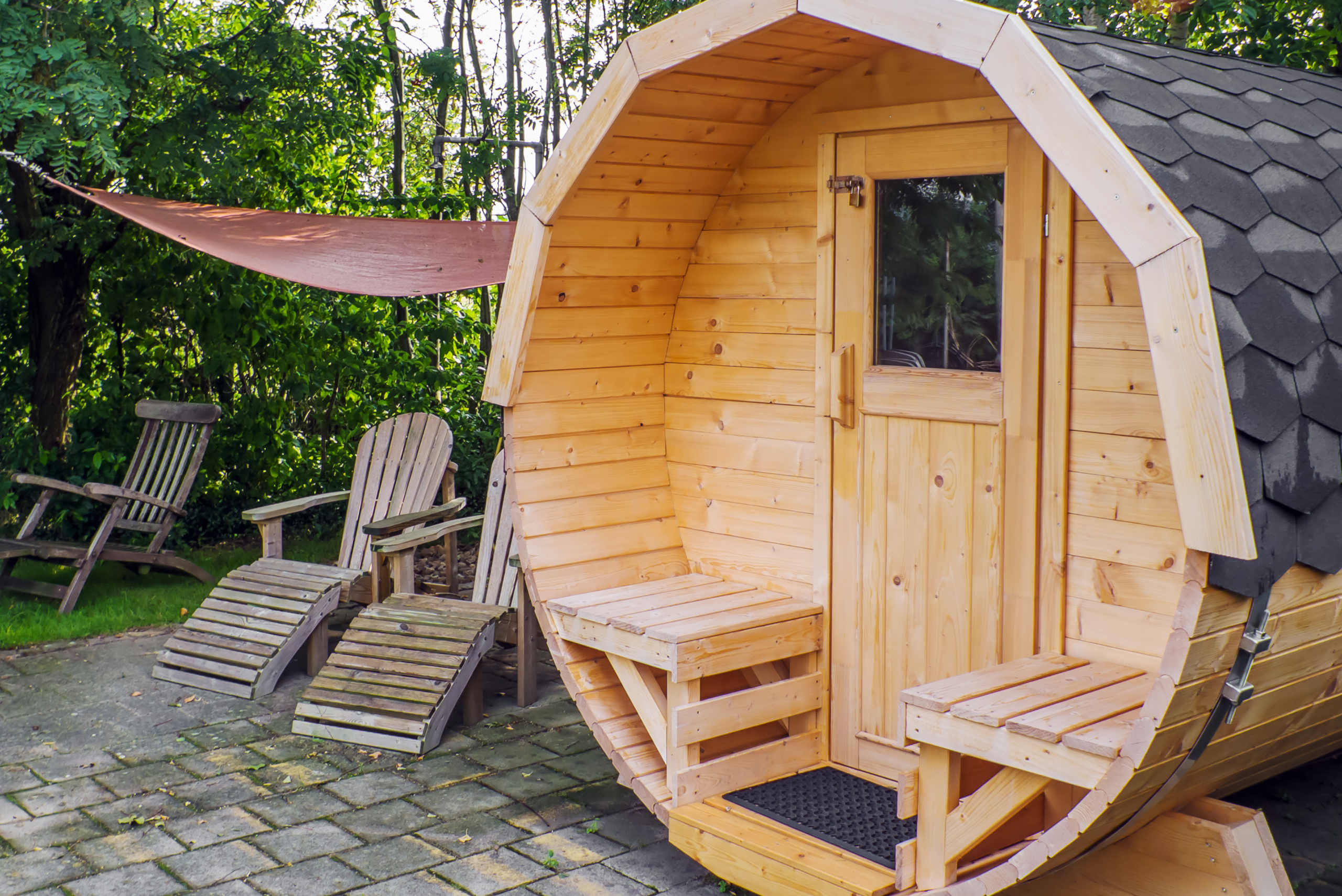
- Outdoor Saunas: While requiring additional weather protection and a sturdy foundation, outdoor saunas offer unparalleled privacy and the flexibility to enjoy the surrounding environment. They can become a beautiful focal point in your garden or backyard.
- Power Access: Most electric sauna heaters, especially those powerful enough for a home sauna, require a dedicated 240V electrical line. This is not a task to be underestimated. Always consult with a qualified electrician early in your planning process to assess your existing electrical panel and ensure safe, compliant installation. Failing to do so could lead to significant issues and added expenses later.
Once these fundamental decisions are made, sketch out your sauna's frame, create a detailed list of materials, and be ready to adapt as you source components. This structured approach is the cornerstone of a successful and affordable DIY sauna build.
Essential Components: Building Your DIY Sauna from the Ground Up
With your plan in hand, it's time to delve into the core materials that will transform your blueprint into a functional and relaxing haven. Choosing the right components for your DIY sauna is critical for heat retention, durability, and a pleasant user experience.
Framing and Insulation: The Core of Heat Retention
The structural integrity and thermal efficiency of your sauna begin with robust framing and superior insulation. Standard 2x4 studs are perfectly suitable for constructing the walls and ceiling frame. However, the true secret to a high-performing sauna lies in its insulation.
- Insulation: Forget standard fiberglass. For a sauna environment, Rockwool (mineral fiber) insulation is highly recommended. Unlike fiberglass, Rockwool is far more resilient to moisture and water, significantly reducing the risk of mold growth in a hot, humid space. Its excellent thermal properties ensure that precious heat remains trapped inside, maximizing efficiency and minimizing energy costs.
- Foil Vapor Barrier: After installing your insulation, the next critical step is to apply a foil vapor barrier. Install this barrier with the shiny side facing inwards towards the sauna interior. This reflective surface acts as a radiant barrier, bouncing heat back into the room. More importantly, it prevents moisture from penetrating the insulation and structural elements, protecting your wood frame from steam and condensation damage. Crucially, avoid plastic vapor barriers, as they can melt or degrade under the intense heat of a sauna. Use heat-resistant aluminum tape to meticulously seal all seams and edges of the vapor barrier, ensuring an airtight seal.
Selecting Budget-Friendly Yet High-Performance Sauna Wood
The wood you choose for your sauna's interior impacts aesthetics, aroma, and safety. It must be heat-resistant, splinter-free, and most importantly, free from off-gassing chemicals that could release unpleasant odors or toxins when heated. Thankfully, there are excellent budget-friendly options that don't compromise on quality:
- Alder Sauna Wood: This is a popular choice for DIY sauna builders due to its affordability, smooth texture, and knot-free appearance. Alder offers a classic, traditional look with a mild, pleasant aroma that won't overpower the senses.
- Thermo-Spruce Sauna Wood: For those seeking enhanced durability, especially for outdoor saunas or areas prone to higher moisture, Thermo-Spruce is an outstanding option. It undergoes a heat treatment process (not chemical) that makes it incredibly stable, resistant to rot, and less prone to warping. It presents a stylish, darker tone and is an excellent investment for longevity.
For a cohesive and professional finish, strive to use the same type of wood for all interior surfaces—walls, ceiling, benches, and trim. This consistency enhances the sauna's aesthetic appeal and overall feel.
The Heart of Your Sauna: Choosing the Right Heater
The heater is arguably the most vital component of your DIY sauna; its performance dictates the quality of your sauna experience. For most budget-conscious yet quality-focused DIY builders, one option consistently stands out:
- The Harvia KIP Electric Sauna Heater Package: Renowned globally as a best-seller, the Harvia KIP is a testament to reliable Finnish engineering. It's an ideal choice for a DIY sauna because:
- It often comes with built-in controls, eliminating the need for an expensive external controller.
- The package typically includes essential sauna stones, ready for immediate use.
- Its compact design allows for easy installation in various sauna sizes.
- It delivers consistent, powerful heat, reaching temperatures up to 194°F (90°C), ensuring a truly authentic sauna experience.
Investing in a dependable heater like the Harvia KIP ensures long-term satisfaction and a consistent, enjoyable heat.
Doors, Vents, and Lighting: Completing Your Sauna Sanctuary
These elements are crucial for safety, comfort, and the overall ambiance of your DIY sauna.
- Door: A simple yet robust sauna door is essential. The best budget-friendly option is a tempered glass sauna door, such as those offered by ProSaunas. Designed specifically for high-temperature, steam-rich environments, these doors maintain internal heat efficiently without the risk of warping that can plague conventional wooden doors. The transparency also adds a sense of openness and safety.
- Ventilation: Proper airflow is non-negotiable for a healthy sauna environment. Install two vents: one low near the heater (for incoming fresh air) and another high on an opposite wall (for exhausting stale, hot air). This creates a critical convection current that ensures fresh air circulation, preventing stuffiness and making the sauna experience more comfortable and safe.
- Lighting: Opt for heat-resistant lighting fixtures. Indirect, soft lighting can significantly enhance the relaxing ambiance of your sauna, creating a truly serene escape. Consider LED strips designed for high-temperature environments or traditional sauna lights with opaque covers.
Beyond the Build: Ensuring Longevity and Enjoyment
Building your DIY sauna is a significant achievement, but a few additional considerations will ensure its longevity and your continued enjoyment.
- Benches: Design comfortable, splinter-free benches using the same sauna wood. Consider multi-level benches to allow users to choose their preferred heat intensity.
- Maintenance: Regular cleaning and occasional oiling of your sauna wood will preserve its beauty and extend its lifespan. Ensure proper ventilation after each use to dry out the interior.
- Accessories: Enhance your sauna experience with simple accessories like a wooden bucket and ladle for adding water to the stones (creating löyly), a thermometer/hygrometer, and comfortable headrests.
Embarking on a DIY sauna project is more than just construction; it's about creating a dedicated space for health, relaxation, and mindfulness in your own home. With careful planning, smart material choices, and attention to detail, you can build a high-quality sauna that fits your budget and provides years of therapeutic benefits. For more ideas and specific instructions, explore our collection of Simple DIY Sauna Plans: Build Your Relaxing Retreat Today.
The journey from dream to reality is incredibly fulfilling, offering not only a personal sanctuary but also the immense satisfaction of having built it with your own hands. So, take the leap, embrace the challenge, and soon you'll be enjoying the profound benefits of your very own home sauna.